Tagline

Kids_nutrition_newsletter

Michelle_dietician_childhood_nutrition

Fiber and Your Child: How Much Fiber is Enough?

Michelle Mirizzi, MS, Registered Dietitian

Fiber, also called dietary fiber, is an overlooked nutrient that most people and children don’t get enough of. We are learning more and more that dietary fiber is a very important part of a balanced and healthy diet. So how do you make sure you child is getting enough fiber? Through some simple changes in your meal planning, you can easily improve the amount of fiber your child eats with high fiber foods. This article will give you specific facts and tips to help you increase your child fiber intake.
What is dietary fiber?

Fiber is part of the plant food that our body does not digest. You can find dietary fiber in the following plant foods: fresh fruits, vegetables, beans, lentils, seeds, nuts and whole wheat grains. There are two types of fiber: soluble and insoluble. Both are important for a healthy diet.

  • Soluble fiber acts like a sponge. It absorbs water in the intestines and forms a gluey gel that picks up cholesterol and carries it out of the body.
  • Insoluble fiber acts like a broom because it doesn’t dissolve in water. It adds bulk and softness to the stools and keeps them moving along comfortably preventing constipation.

The health benefits of fiber

Fiber has mounting research that shows we need to have fiber in our diet every day to fight off disease and promote overall well-being. Eating high fiber foods is a healthy habit for kids to form at a young age that will benefit throughout their lives.

Fiber has the following health benefits:

  • It keeps your child’s intestines working comfortably.
  • It protects against constipation when combined with enough water.
  • It fills up your child’s tummy so they will be satisfied and not overeat.
  • It reduces the risk of many diseases including diabetes and certain cancers.
  • It reduces the risk of heart disease by lowering LDL cholesterol (bad cholesterol).
  • It is also helpful for diabetics, helping manage blood sugar and cholesterol levels.

Dietary fiber needs for children

We know that most children do not get enough fiber. This is probably because most children do not eat enough fruits, vegetables, legumes and 100% whole grains. So, how much fiber do kids need?

Here are the most recent daily recommendations from the Dietary Reference Intake (DRI’s):

Fiber recommendations per day: grams
Children 4 to 8 years old 25
Boys 9 to 13 years old 31
Girls 9 to 13 years old 26
Adults 25-35

What foods are high in fiber

Children’s diets tend to be higher in grains that have been stripped of its fiber called refined grains. Examples of refined grains that no longer have fiber are white rice, white bread, pasta and many cereals. This is why it is important to look for 100% whole grain foods. Fiber is high in natural grains like oats, barley, bulgar, quinoa, rye, spelt and wheat. Print a shopping list of fiber rich foods.

Here is a list of the top 10 foods high in fiber:

Fiber Content of Selected Foods grams
Split peas, cooked (1 cup) 16.3
Lentils, cooked (1 cup) 15.6
Black beans, cooked (1 cup) 15.0
Lima Beans, cooked (1 cup) 13.2
Artichoke, cooked (medium) 10.3
Bran flakes (1 cup) 8.3
Raspberries (1 cup) 8.0
Spaghetti,whole-wheat, cooked 6.2
Pear (with skin) 5.5
Oat bran muffin (medium) 5.2

Tips on increasing fiber in your child’s diet

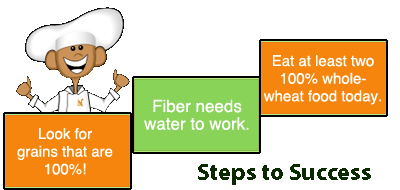
When increasing fiber in your child’s diet, it is best to do so gradually, because large, sudden increases can cause discomfort, gas and bloating. Make sure your child drinks plenty of water throughout the day. For fiber to do a good sweeping and sponging job there has to be enough water for it to absorb.

Help your child meet their daily fiber needs, by gradually increasing fiber in their diet with the following tips:

General tips for increasing children's daily fiber:

  • Plan your meals ahead to include at least half of your grains are 100% whole grains.
  • Give your child plenty of water.
  • Cut back on refined foods.
  • Encourage your child to use the Nutrition Facts label to find out how much fiber is in each serving of food. A good rule of thumb to remember is if the food has 5 grams or more per serving it is considered high in fiber.
  • Be a positive role model; children learn many of their behaviors by watching what older siblings and grown-ups do. The next time the fresh vegetables are passed to you, take a serving and say, “I love fresh vegetables!” Soon your child will be eating it and saying they love it too.

Breakfast tips

  • Choose 100% whole grain cereals for breakfast.
  • Select cereals with at least 3 grams of fiber or more per serving.
  • Have cut up fruit in the cereal or as a side dish.
  • Eat whole fruits instead of drinking fruit juices. Whole fruit has more fiber, vitamins, minerals and phytochemicals. Plus an apple or a handful of berries will keep your child feeling full longer than a glass of fruit juice.

Lunch tips

  • Use 100% whole grain bread, rolls, pita or bagels for sandwiches.
  • Add fresh fruit and/or vegetables with low fat dipping sauces.
  • Add a small bag of nuts or seeds in their lunch.

Dinner tips

  • Replace white rice, white bread and white pastas with brown rice and whole grain products.
  • If your kids resist the whole grain version at first, try mixing in half whole grain and half processed food. For example, mix half brown rice with half white rice and gradually each week add more whole grains and less processed.
  • Cut back on refined foods.
  • Include a fruit or vegetable salad with the skin on.
  • Add seeds and nuts to liven up the salads.
  • Replace meat once a week with legumes, a great source of fiber and protein.
  • Replace a side dish with dried peas or beans.
  • Have your child make their own trail mix using raisins, peanuts, and oat bran cereal.

Snack tips

  • Give half a sandwich made of 100% whole grains.
  • Have fresh fruit or vegetables washed and cut on table.
  • Make a fruit smoothie.
  • Serve up a cup of beans with 100% whole wheat crackers.
  • Give them a handful of nuts or seeds.
  • Give them a bag of dried fruits such as apricots, figs or raisins..
  • Offer a bowl of low fat popcorn.
  • Make a baggie of 100% whole grain pretzels or crackers.

Changing your child’s diet should be a positive experience. Explain to them why fiber is important for the whole family to feel healthy. You don’t want to get upset and frustrated with your child if they don’t want to try higher fiber foods. Just be positive with your encouragement and keep introducing higher fiber foods. There is a nice variety of foods high in fiber so help your child find the ones they enjoy. Gradual changes are always best and don’t forget to celebrate the small changes as they occur. Before you know it, your whole family will be used to a healthy high fiber diet!

Written on January 2008
Last updated: January 2010

Kids_healthy_chef_solus
Quick Links

Family Nutrition News
Read our recent articles

Daily Tips Calendar
Print and post fun daily tips.

Interactive Nutrition Tools
Free meal planner, BMI, and more!

Family Nutrition Blog
The latest news facts and tips.

Healthy_kids_fruit_salad

Printable Healthy Living Tips
Fun and easy tips - for the whole family.

Kids Fun Links

Explorers - Kids’ Page
Kids monthly healthy tips

Kids’ Nutrition Games

Back to Main Nutrition Articles Page